Habitat
Distribution:
Senegal Parrots are native to West Africa, particularly in countries like Senegal, Mali, and Guinea.
Environment:
They inhabit savannas, open woodlands, and forests. In captivity, they require a spacious cage with plenty of toys and perches for mental and physical stimulation.
Diet
Primary Food:
In the wild, they feed on seeds, fruits, nuts, and berries. They are particularly fond of millet and maize.
Captivity Diet:
In captivity, they should be provided with a balanced diet of high-quality pellets, fresh fruits, vegetables, and occasional seeds. Fresh water should always be available.
Feeding Behavior:
Senegal Parrots are active foragers and enjoy exploring their food. They use their strong beaks to crack open seeds and nuts.
Breeding
Breeding Season:
In the wild, their breeding season generally occurs during the dry season, varying by region.
Nest Location:
They nest in tree cavities. In captivity, a nest box with appropriate bedding is essential.
Egg Quantity:
Clutches typically consist of 3 to 4 eggs.
Incubation Period:
The incubation period lasts about 25 to 28 days.
Fledging:
Chicks fledge approximately 9 to 11 weeks after hatching.
Lifespan
In the Wild:
Senegal Parrots can live up to 25 to 30 years in their natural habitat.
In Captivity:
With proper care, they can live up to 30 to 40 years.
Behavior
Temperament:
Senegal Parrots are known for their playful and affectionate nature. They are intelligent and enjoy interacting with their caregivers. They can be quite charming but may also exhibit a bit of stubbornness.
Social Interaction:
They bond closely with their caregivers and require social interaction and mental stimulation. They enjoy playing with toys, learning tricks, and being handled.
Vocalization:
Senegal Parrots are relatively quiet compared to other parrot species. They can mimic sounds and some speech, but their vocalizations are generally soft and pleasant.
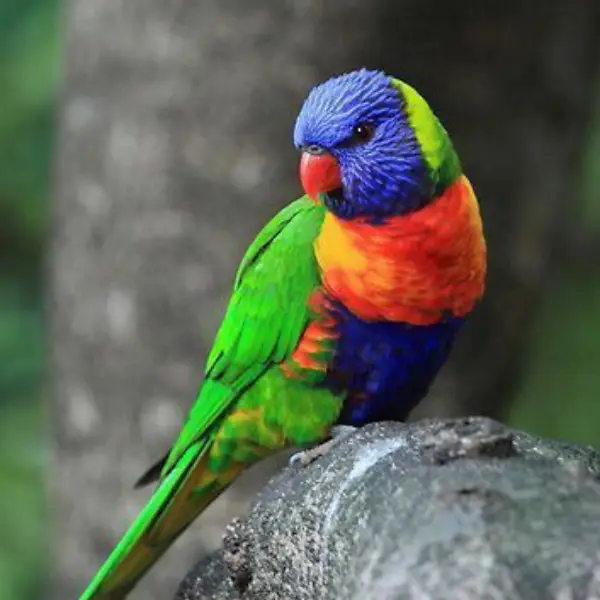 Lory Parrot
1 × ₨ 90,000
Lory Parrot
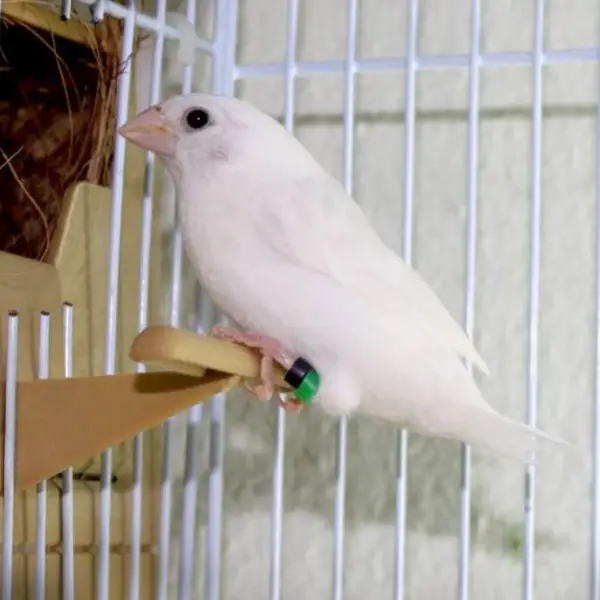
1 × ₨ 90,000 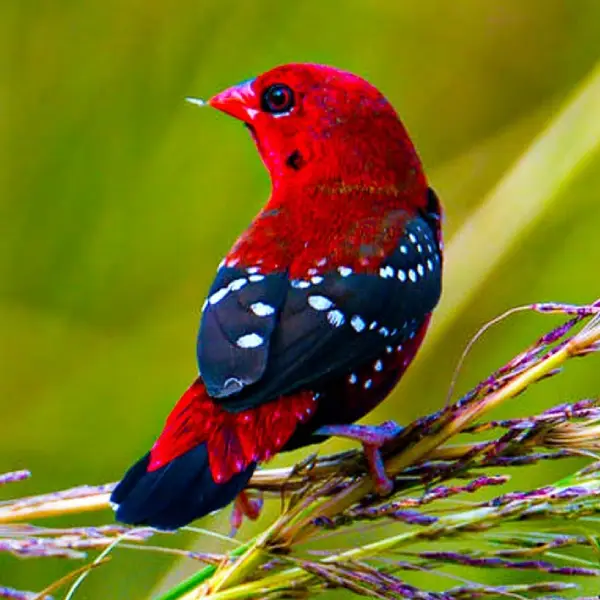 Strawberry Finch
1 × ₨ 3,500
Strawberry Finch
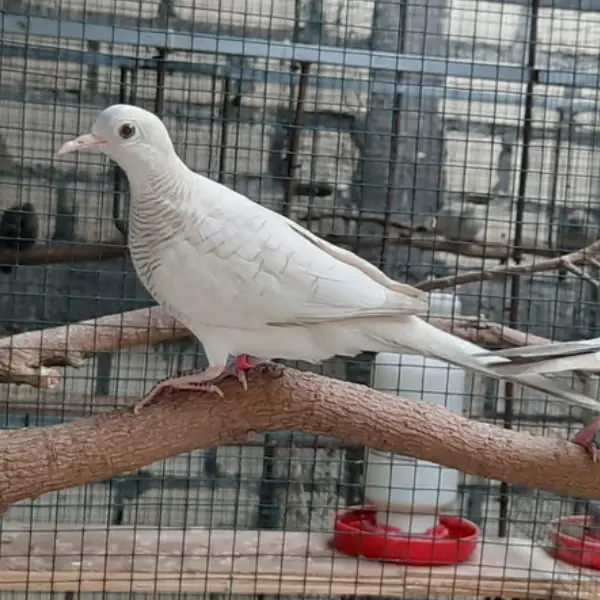
1 × ₨ 3,500 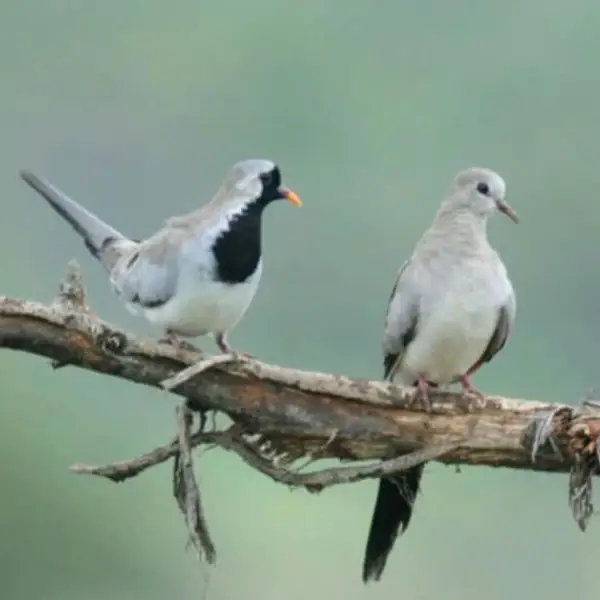 Cape Dove
2 × ₨ 30,000
Cape Dove
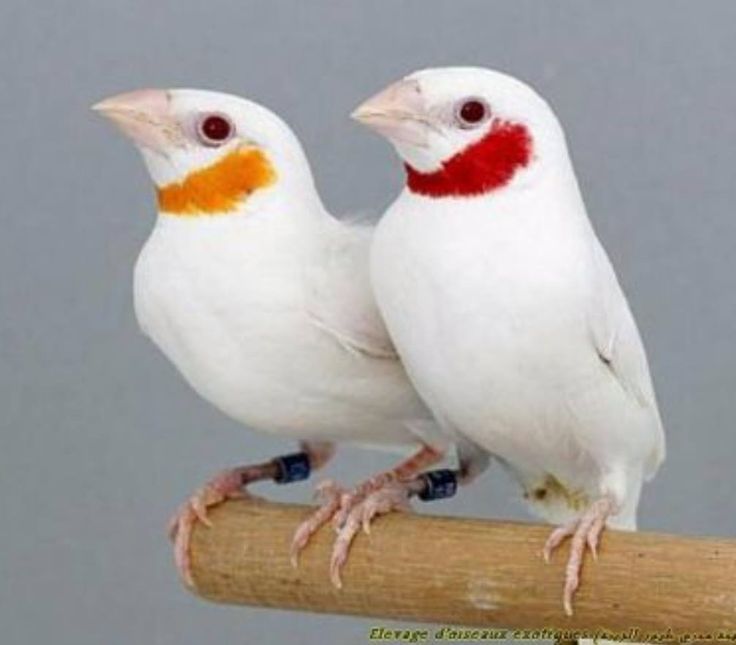
2 × ₨ 30,000  Common Cut-throat
1 × ₨ 18,000
Common Cut-throat
1 × ₨ 18,000 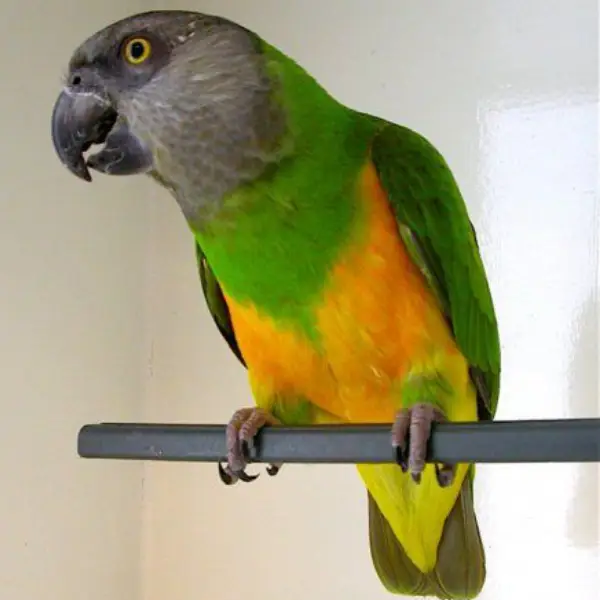


Reviews
There are no reviews yet.