Size: Approximately 18-23 cm (7-9 inches) in length.
Weight: Around 40-50 grams (1.4-1.8 ounces).
Color:
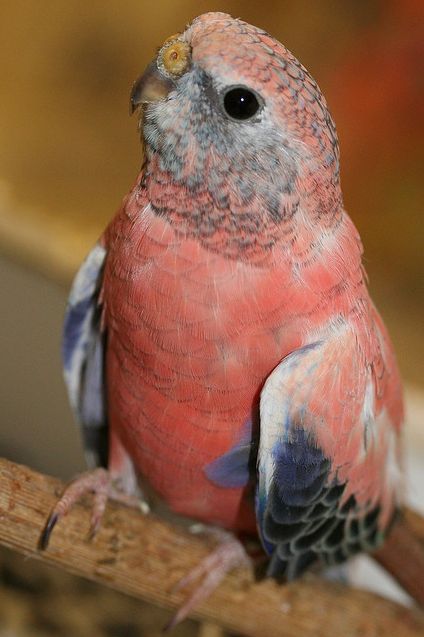
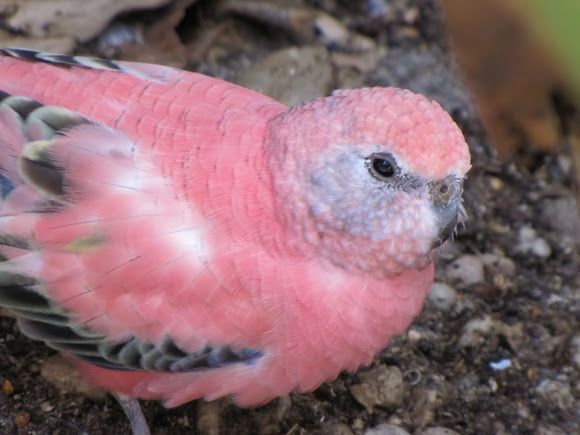
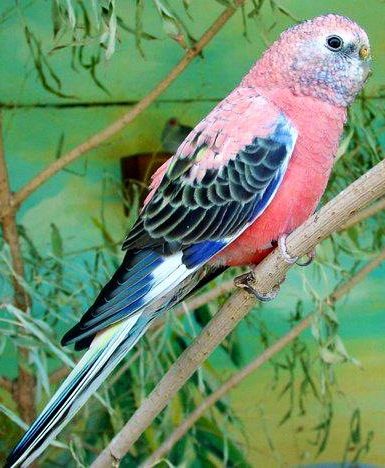
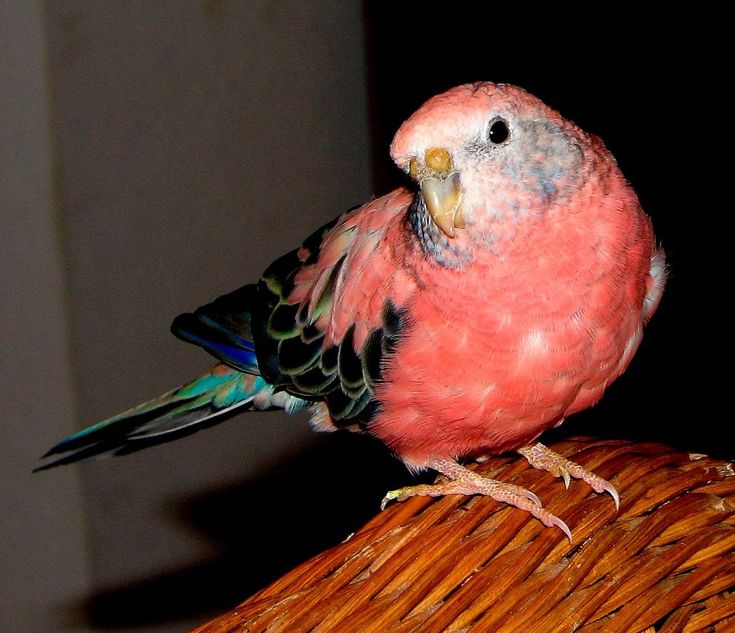
Body: The Rosy Bourke Parrot is characterized by its vibrant pink or rose-colored plumage, which covers most of its body. The intensity of the pink can vary, with some birds displaying more vivid hues than others.
Back and Wings: The wings typically retain a slight blue tint on the edges, creating a beautiful contrast with the pink body.
Tail: The tail is long and tapered, with a mix of pink and blue shades.
Face: The face is usually a deeper pink, and the brow above the eyes can sometimes have a bluish tint.
Beak: Small, curved, and greyish, similar to the Common Bourke.
Eyes: Dark, which contrasts nicely with the pink feathers.
Legs and Feet: Greyish or pinkish in color, well-suited for perching.
Distribution: Like the Common Bourke, the Rosy Bourke is native to Australia, specifically in arid and semi-arid regions. The Rosy Bourke mutation, however, is more commonly found in captivity as a result of selective breeding.
Environment: They prefer open woodlands, scrublands, and grasslands with sparse vegetation. In captivity, they thrive in aviaries or spacious cages with plenty of room to fly and play.
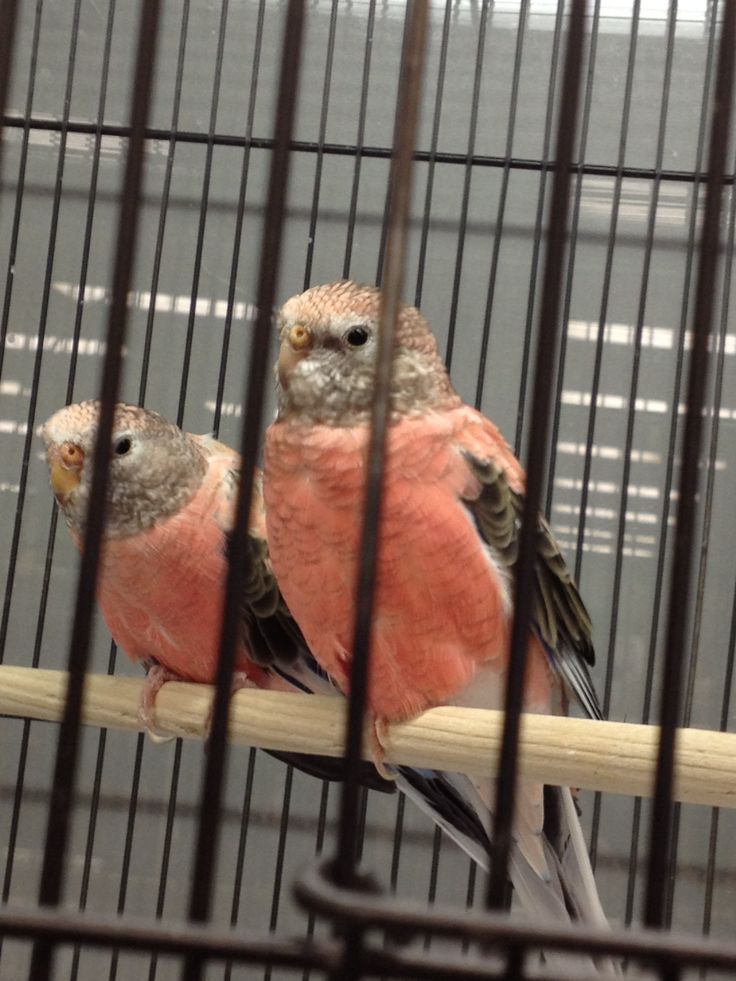
Social Structure: Rosy Bourkes are social and peaceful, often seen in pairs or small flocks. They are crepuscular, meaning they are most active during the early morning and late evening.
Diet
Primary Food: In the wild, their diet mainly consists of grass seeds, supplemented with other seeds, fruits, and occasionally small insects.
Captivity Diet: In captivity, they should be fed a balanced diet of high-quality seeds, pellets, and fresh fruits and vegetables. Providing a variety of foods helps maintain their health and mimic their natural diet.
Feeding Behavior: They are gentle foragers, and offering foraging opportunities, such as millet sprays or puzzle feeders, can enrich their captive environment.
Breeding
Breeding Season: In the wild, they typically breed during the spring and summer months. In captivity, they may breed at different times depending on the conditions.
Nest Location: They nest in tree hollows or crevices, and in captivity, they readily use nest boxes.
Egg Quantity: Clutches usually consist of 3-6 eggs.
Incubation Period: The female incubates the eggs for about 18-21 days.
Fledging: Chicks fledge approximately 4 weeks after hatching and continue to be fed by the parents for a few more weeks.
Lifespan
In the Wild: Rosy Bourkes typically live around 8-10 years, though this can vary.
In Captivity: With proper care, they can live up to 10-15 years or more.
Behavior
Temperament: Rosy Bourkes are known for their exceptionally calm and gentle nature. They are quiet and non-aggressive, making them ideal pets for those who prefer a peaceful bird.
Social Interaction: They are social birds and enjoy the company of other Bourkes or similar-sized birds. They can form strong bonds with their human caregivers as well.
Vocalization: Their vocalizations are soft and pleasant, consisting of gentle whistles and chirps. They are not known for loud or excessive noise, which makes them suitable for apartment living.



Reviews
There are no reviews yet.